Special Delivery | Alex Deetjen | Jerry Darkes | Trout Spey
A Trout Spey Primer
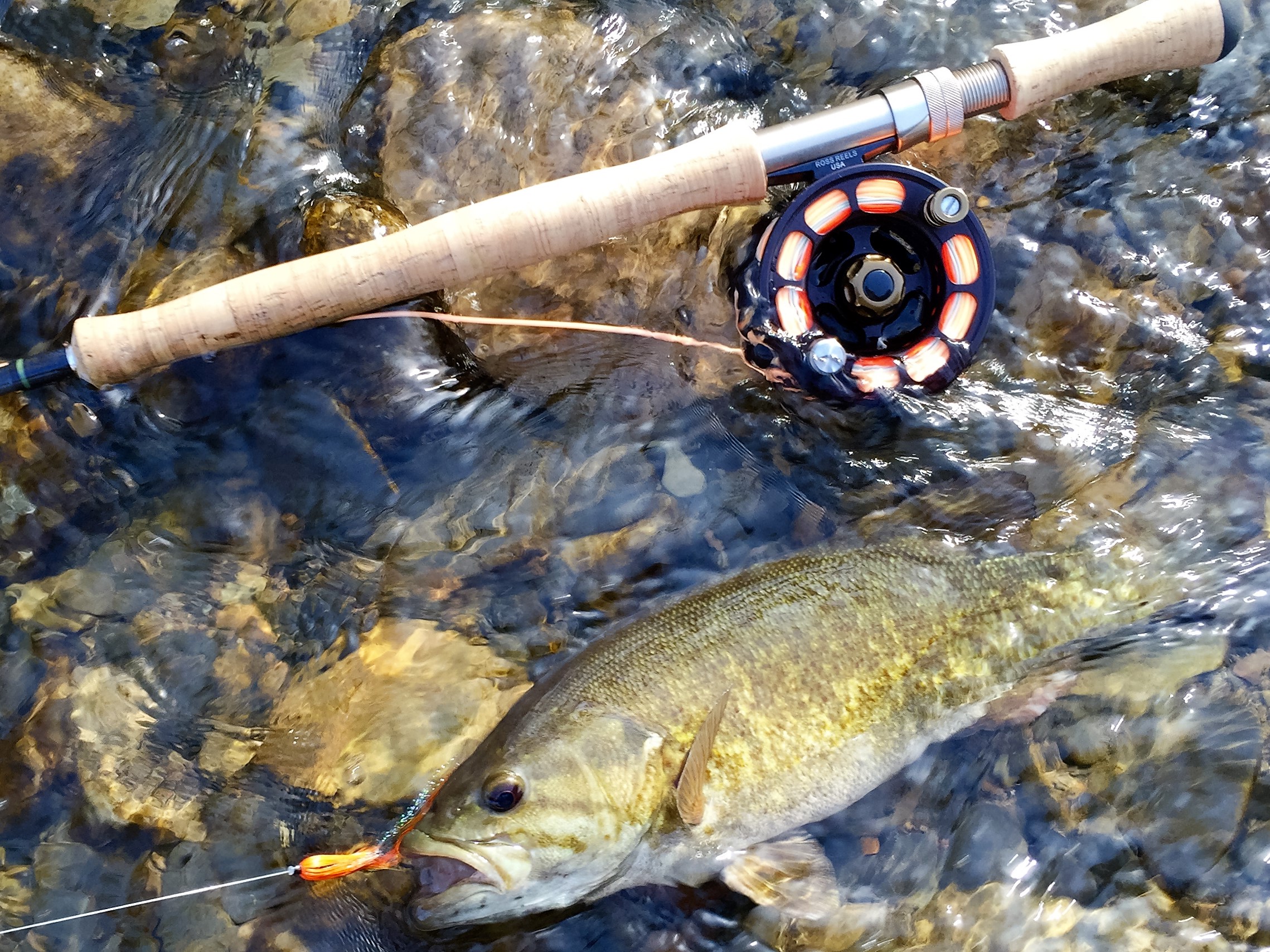
SA Customer Service Rep, Alex Deetjen, is featured here to share his insights on Trout Spey set ups and techniques. He is a recent transplant from Colorado to Michigan. Although, the Midwest may not have the same amount of Spey water for trout as where he came from, Deetjen has found out that smallmouth bass love a swung fly, too, so there is more to “Trout Spey” than just trout!
So, for a very brief history of Spey. It was a casting technique developed on the River Spey in Scotland for Atlantic salmon. Due to the high banks and brush along the river, a standard back cast was not suitable. Using a long, two-hand rod, the roll cast was modified that allowed the angler to take the fly from a downstream position at the end of the swing and then cast the fly accurately across the current for another presentation. The fly was swung across and downstream of the angler and after each swing the angler made a step or two downstream and cast again. This allowed a section of water to be covered very efficiently.
This technique was carried across the Atlantic where it was utilized in the Atlantic salmon fisheries of North America and in the steelhead fisheries of the Pacific Northwest. It has migrated to the Great Lakes and is now a standard technique for targeting the lake-run rainbows found across the region.
We can look at a number of advantages the Spey cast provides over the conventional overhead cast:
- Distance- the Spey cast allows a cast to be made a long distance with very little backdrop behind the angler for a backcast. Matching the rod and line are critical for this.
- Covering Water Efficiently- Using the swung fly technique, a section of water can be fished effectively with a minimal amount of angler effort. The back cast and false casting are minimized and the flies can be presented in a precise method.
- Minimizing Effects of the Wind- As this is a water-loaded cast, the lines used in Spey casting are heavier than for overhead casting. The extra weight of the line helps minimize wind problems. Also, different Spey casts can be incorporated depending on wind and current direction to achieve the best possible result.
- Helps Overcome Weak or Injured Shoulder Problems- In two-hand Spey casting, power is applied with the hand on the bottom of the rod. The rod is a lever with the opposite hand working as a fulcrum on the upper rod grip. A weak or injured shoulder can be used for the upper grip.
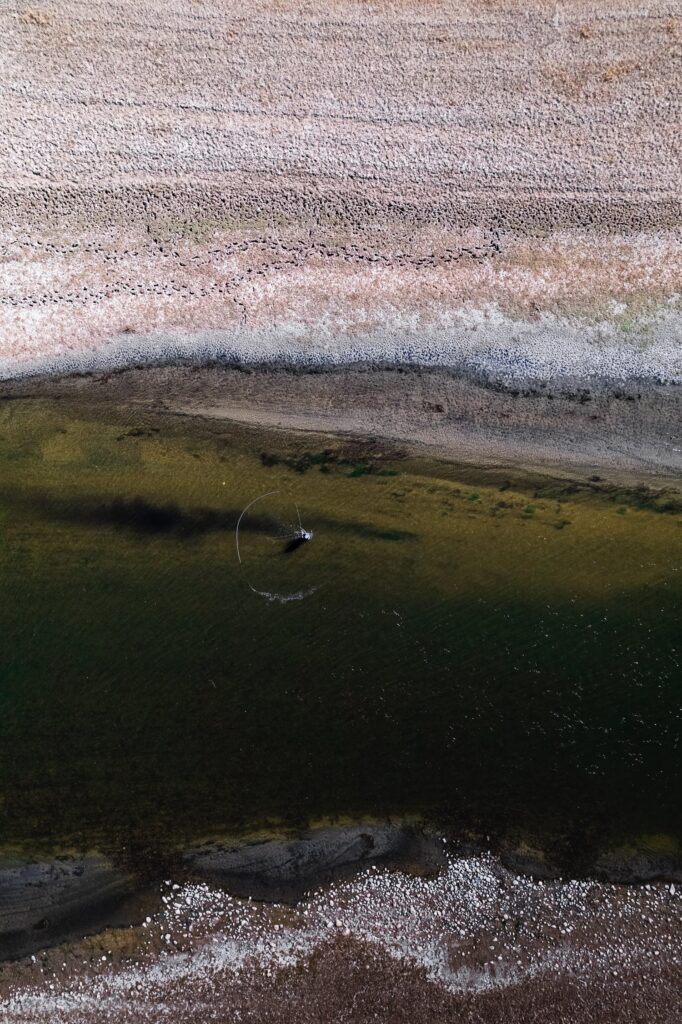
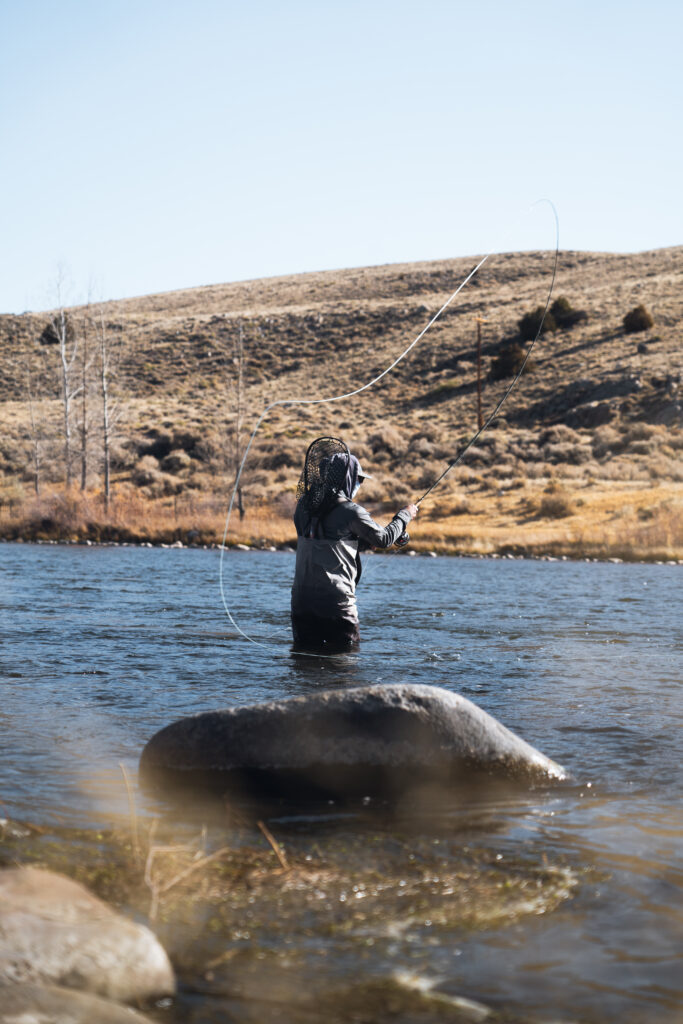
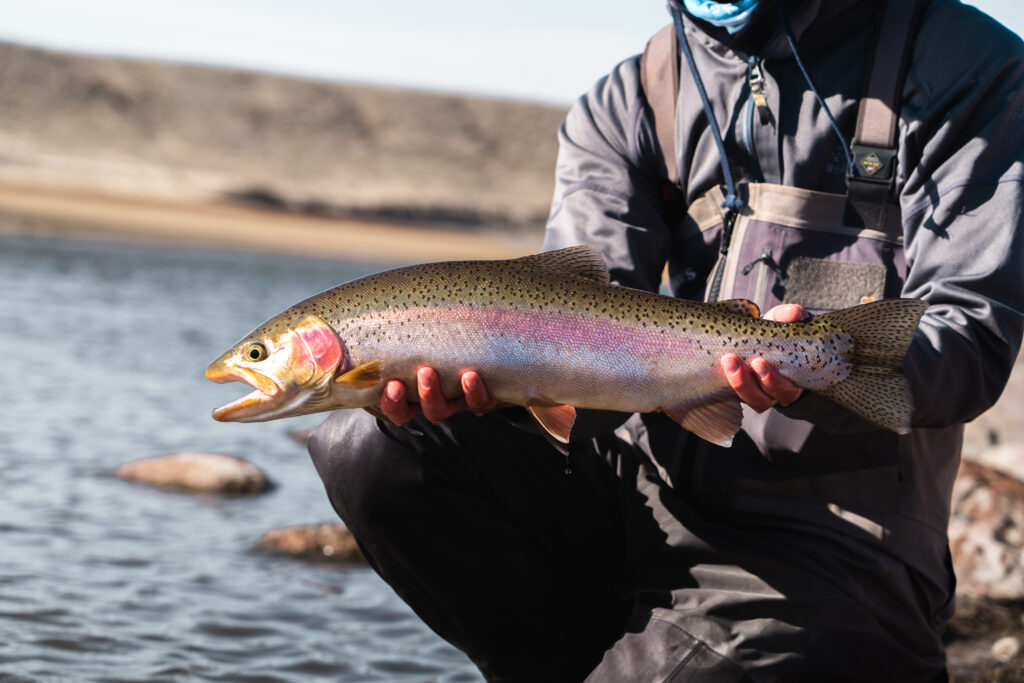
Photo credit Carter Abramson @iliketoflyfish
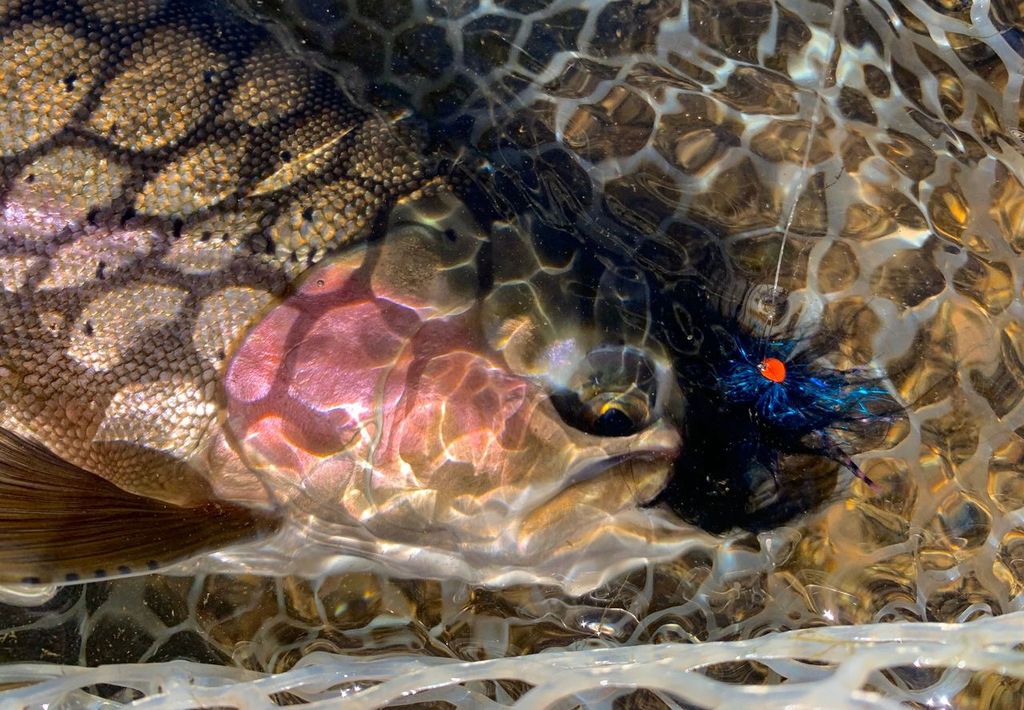
Swinging wet flies is an original technique to target stream trout. Here the flies are cast across current and swung down and across below the angler to imitate an emerging insect. This was originally done with single-hand rods, but as Spey casting gained more advocates it was understood that it had applications well beyond just targeting migratory trout and salmon. The Spey cast could carry over into other areas of fly fishing on current.
Trout Spey may also be referred to a “Micro Spey”. The concepts are the same, but the components of the outfit are scaled down to match the size of the fish being targeted. Rods are still fairly long, usually 10’ – 12’. Line weights are usually listed as #1 to #5, but it is the overall grain weight of the line that is most important as this determines what the rod can actually do.
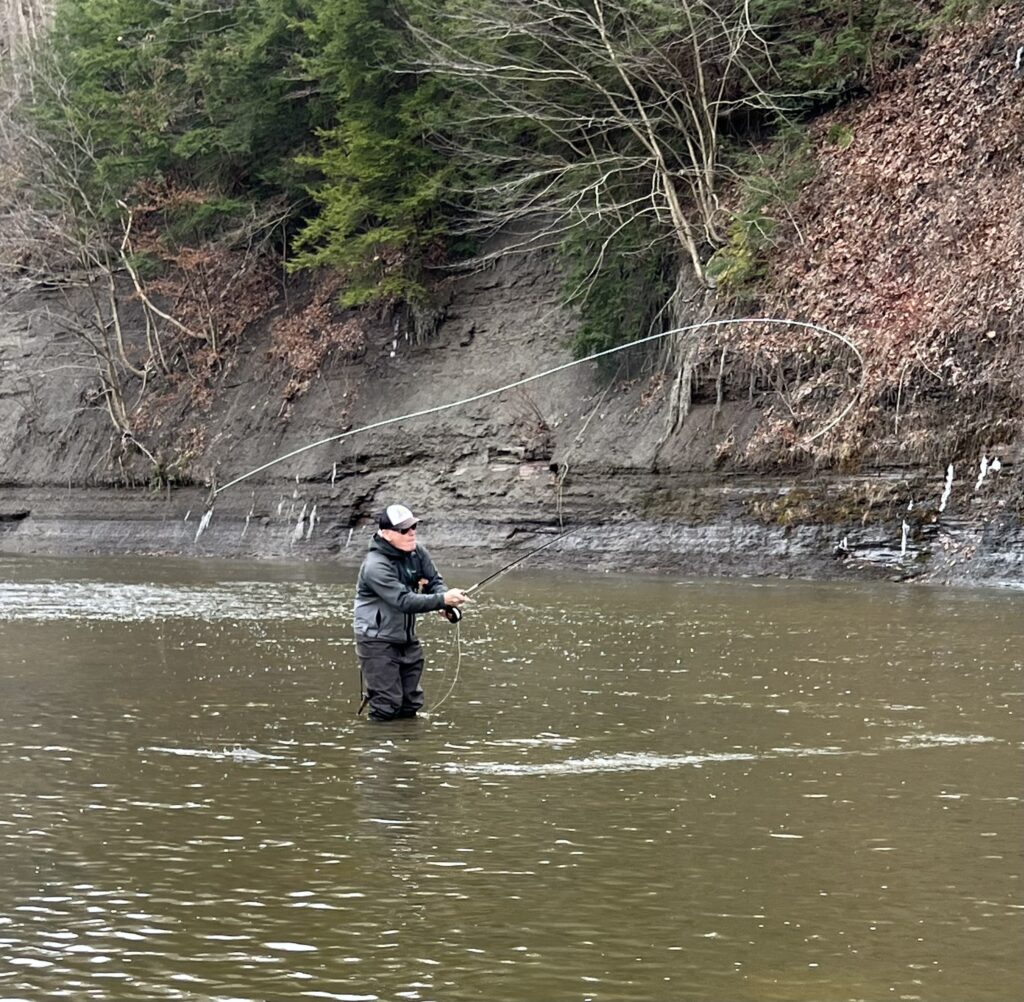
Grain weights for these lines run from around 400 gr. as the heaviest to down to 180 gr. as the lightest. To swing large wets and streamers in combination with various densities of sinking leaders, heavier grain weights are needed. For small-weight flies under the surface the lighter grain weights are used, but the angler needs to understand their limitations with fly size.
Two basic line designs are available, Scandi and Skagit. Scandi lines have a long, tapered tip and are used for smaller flies at the surface where minimal casting disturbance is important. Skagit lines are shorter, with a thicker profile to handle the weight of an add-on tip, plus the weight and air resistance of a larger fly.
Both line designs can be purchased as a separate head that is then attached to a shooting line. This allows the convenience of different weight heads to be used on one reel. The disadvantage here is the loop-to-loop attachment of the head to shooting line going in and out the guides all the time. If all you plan to do is swing a smaller fly all the time, this set up is fine.
If you plan to both swing and strip flies, a fully-integrated line, where the shooting line and head are all one piece would be the best choice. However, here you lose the convenience of being able to switch head weights for different applications from a single reel or shooting line. The integrated line would be on a dedicated reel spool for that line.
Here are two examples that would help illustrate where different line configurations would be best. If I am looking to swing wet flies to cover several fishing situations, I might have several different weight rods, just as in single-hand rod use. To swing PMD or Sulphur soft hackles I might have a light Scandi set up, say 210 gr. For Green Drakes or Hex I might bump up to something like 360 gr. Or if there is wind to contend with or bigger water, the heavier weight would be used. A tapered leader of the proper tippet size for the fly would be used. Here different head lengths can be use off one reel.
In another scenario, I might want to fish mainly streamers in a variety of situations from at the surface to below down to different depths. I want be able to both swing and strip the flies as needed. I also plan to use this for smallmouth bass, and fish poppers. Here I’m going to go with a fully-integrated Skagit of around 400 gr. as this give the most versatility and allows heavier flies and air-resistant poopers to be used. Here a combination of different poly leaders and possible sink tips are added to the head, and then tippet added to the leader.
Scientific Anglers has a full range of products for these applications and much more. Separate Spey Lite Scandi and Skagit heads are available along with separate, fully-integrated versions of them from 180 gr. to 420 gr. Scientific Anglers Sonar Leaders are offered in two lengths, 7-foot and 10-foot, in five densities from floating to Sink 6 to fish from the top to below the surface. Scientific Anglers TC Tips can also be used on the heavier Spey Lite Skagit lines. 240-300 gr. will handle the 8-foot TC Tips while 330 gr.-420 gr. can carry the 10-foot TC tips.
Going a bit beyond this basic introduction, we need to keep in mind that Spey casting is a technique that can be done with any rod and line weight. Single-hand Spey casting also has many applications along with two-hand. Matching the line to the rod is just as important here and the Spey Lite system can be adapted to single-hand use. The term “Trout Spey” may be a bit misleading as this system of lines and tips can be used for more that just trout. Even “Micro Spey” doesn’t really explain this. Perhaps a more inclusive term would be “Light Spey” as this helps cover more situations where Spey casting can be utilized and this is well represented by SA’s Spey Lite lines and corresponding leaders and tips.